
Views: 0 Author: Site Editor Publish Time: 2026-09-15 Origin: Site


Purchasing heavy industrial equipment represents a massive capital investment for any fabrication facility. Relying on a simple price tag or a brief email estimate is a guaranteed recipe for buyer remorse. Upgrading your shop floor means transforming the entire workflow. It affects everything from raw material handling to downstream assembly.
To ensure the new machinery meets your specific production demands and integrates seamlessly into your existing operations, a rigorous quoting process is absolutely required. Moving away from grease-stained blueprints and manual magnetic drills demands solid paperwork. Understanding the documentation involved protects your bottom line. This guide breaks down the exact operational data you need to provide to manufacturers and the critical documents you must demand in return.
A Two-Way Data Exchange: An accurate proposal requires detailed input from the buyer like CAD files and facility layouts, plus comprehensive output from the seller including itemized specs and return on investment data.
Technical Clarity: A standard quote must include a detailed technical specification sheet covering spindle speeds, automatic tool changers, and hydraulic clamping capabilities.
Software Integration: Documentation must prove software compatibility with your current detailing workflow to prevent costly integration bottlenecks on the shop floor.
Exposing Hidden Costs: Proper quoting documents reveal the true cost of ownership by clearly outlining freight, rigging, installation, training, and warranty terms.
The structural steel fabrication sector is currently experiencing a massive shift toward data-driven procurement. Driven by severe skilled labor shortages, shop owners are no longer just buying heavy iron. They demand integrated digital ecosystems. Market analysis shows a rising trend where buyers expect digital twin simulations and predictive maintenance schedules during the quoting phase itself. Manufacturers must now prove their equipment fits into an automated workflow before a single dollar changes hands. This industry-wide demand for transparency makes detailed quoting documents the ultimate deciding factor in modern machinery procurement.
Off-the-shelf pricing rarely applies in the realm of heavy machinery. Two machines that look identical on a glossy brochure can carry vastly different final costs. The difference lies in internal drive components, software licensing, and peripheral systems. Variations in machine footprint and material handling setups like cross-transfers drastically alter the final invoice.
A single lump-sum figure fails to communicate what is actually included. This ambiguity leaves buyers vulnerable to unexpected post-purchase costs. You might suddenly need essential add-ons like high-pressure internal coolant systems or specialized clamping mechanisms. Detailed documentation eliminates this guesswork and provides a transparent breakdown of exactly where your capital is going.
Thorough documentation ensures the selected equipment matches your exact capacity requirements. This prevents the costly mistakes of under-equipping a busy shop or over-spending on unnecessary features. Processing high volumes of heavy thick-walled jumbo columns requires a machine with sufficient motor torque and structural rigidity. Processing lighter channel and angle profiles may achieve a better return on investment with a faster lighter-duty model. Exchanging detailed documents aligns the equipment specifications directly with your daily throughput goals.
The most critical assets a buyer can provide upfront are sample part drawings and CAD files exported in the DSTV format. Pulling these numeric control files directly from detailing software like Tekla or SDS2 allows the manufacturer to run real-world simulations on their proprietary control software. By analyzing the complexity and material thickness of your actual daily work, the engineering team accurately assesses the required machine capabilities. Without these digital files, any proposed solution is merely an educated guess.
Equipment builders need to understand your current bottlenecks and projected throughput. Sharing data such as your current monthly tonnage and future production targets helps calculate the necessary automation levels. If your goal is to double output over the next two years, the manufacturer uses this data to determine if you require a multi-axis spindle configuration to minimize idle time between operations.
An advanced drill line is useless if it cannot physically fit inside your building or be powered by your existing grid. Buyers must provide accurate shop floor dimensions noting ceiling heights, forklift pathways, and the location of structural columns. Electrical voltage, phase, amperage, and pneumatic availability details are mandatory. This documentation ensures the core machine and its necessary roller conveyors integrate safely without requiring a massive facility electrical upgrade.
The cornerstone of the proposal is a highly detailed technical specification sheet that explicitly lists the absolute limits of the machine. This document must state the maximum and minimum beam sizes it can process, maximum drilling diameters, axis travel distances, and positioning accuracy. When evaluating high-performance options, a proper quote for a CNC Beam Drilling Machine will outline exact parameters for the automatic tool changer and maximum spindle revolutions per minute. This gives you hard data on its true processing capabilities.
Financial transparency is non-negotiable for heavy investments. The proposal should break down the costs line by line. It must separate the price of the base unit from optional add-ons like extended outfeed conveyors or automated chip evacuation systems. It must itemize software licenses, spare parts kits, and required safety light curtains. The document must clearly state the payment schedule detailing the required deposit, milestone payments upon factory acceptance testing, and the final balance due date.
Industrial drill lines are rarely sitting on a shelf ready to ship. The quote package must include a documented timeline outlining the entire procurement cycle. This schedule tracks the process from initial engineering approval and manufacturing to factory testing, overseas shipping, and final on-site rigging. Having this documented allows the plant manager to coordinate foundation pouring and manage customer expectations regarding future production capacity.
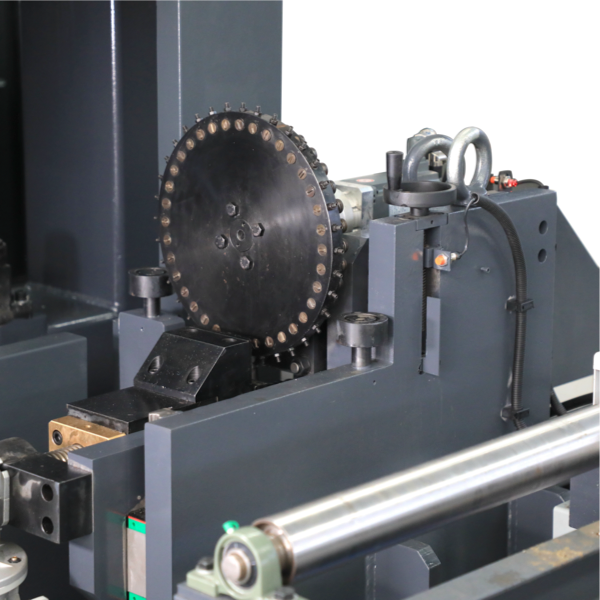
Analyzing the spindle speed, motor kilowatt rating, and the capacity of the automatic tool changer is critical for evaluating true efficiency on the shop floor. You want to verify that the spindle can reach the high speeds necessary to utilize modern carbide tooling without stalling mid-cut. Advanced models feature three independent spindles paired with a robust automatic tool changer. This multi-axis automation ensures the machine can switch between different hole diameters seamlessly. It reduces the need for an operator to manually swap bits and drastically lowers your overall cycle times.
The precision of a drilled hole is heavily dependent on how securely the material is held while the bit engages. Technical documents should detail the load capacity per linear meter of the infeed systems. Equally important is the documentation of the clamping mechanisms. When executing aggressive steel structure drilling, strong multi-directional hydraulic clamping ensures the beam remains perfectly rigid. A quality steel beam drilling machine relies on these robust hydraulics to prevent micro-vibrations. These vibrations cause premature tool wear and result in out-of-tolerance holes.
Hardware is ultimately at the mercy of the software controlling it. The quote must include documentation proving that the CNC interface communicates flawlessly with your detailing software. It should specify the brand of the CNC controller and confirm that the system can directly parse DSTV files. Eliminating manual data entry at the operator console is the absolute fastest way to eradicate human error from your shop floor.
To help you evaluate incoming quotes, use this practical standard to match your shop requirements with the necessary machine features and the documents you must verify.
Production Requirement | Recommended Machine Feature | Critical Document to Verify in Quote |
|---|---|---|
High-volume heavy jumbo columns | High-torque motors and multi-directional hydraulic clamping | Motor kilowatt rating and hydraulic clamping force specifications |
Frequent hole diameter changes | Multi-slot Automatic Tool Changer | Tool changer capacity and tool swap cycle time estimates |
Complex detailing and layout | Direct DSTV file parsing capability | Software compatibility proof and CNC controller brand details |
Limited shop floor space | Compact footprint with integrated cross-transfers | Detailed dimensional layout drawings and utility requirements |
Securing capital approval from ownership requires hard financial justification. Top-tier manufacturers assist with this by providing comparative data sheets showing the efficiency of CNC automation versus traditional manual layout and magnetic drilling. These documents illustrate the massive reduction in man-hours and the near-total elimination of layout errors. This comparative data is vital for presenting a bulletproof business case.
Using the sample digital files you provided during the inquiry, the manufacturer should return a documented time study. This document estimates the exact time it will take the proposed equipment to process specific structural profiles from your actual backlog. Comparing these estimated cycle times against your current manual production rates allows you to calculate a highly accurate return on investment based on empirical data rather than theoretical marketing claims.
Never accept a vague statement like a standard one-year warranty. The quoting documents must include the fine print. Look for explicit distinctions between parts and labor coverage. It should specify the duration of coverage for mechanical components versus sensitive electronic servo drives. Knowing exactly what is covered and what preventative maintenance you are required to perform protects you from unexpected service bills.
Transitioning to advanced automation requires professional commissioning. The proposal should outline who is responsible for the physical rigging and leveling of the machine. Crucially it must detail the operator training plan. This includes the number of days factory technicians will spend on-site, the maximum number of operators they will train, and a syllabus covering software operation and basic troubleshooting.
Heavy machinery poses significant safety risks if not properly engineered. Ensure the quote includes proof of compliance with local and international safety standards. This documentation verifies the inclusion of necessary safety interlocks, emergency stop circuits, and proper electrical shielding. It keeps your operators safe and your facility compliant with regulatory bodies.
When holding multiple proposals a systematic evaluation process is necessary to compare apples to apples. One bid might feature a lower bottom-line price but a close reading of the itemized documents might reveal it lacks an automated tool changer or excludes the necessary outfeed roller tables. Another quote might appear more expensive initially but includes a fully motorized material handling system and extended on-site training. Evaluating the comprehensive documentation ensures you compare the total operational value instead of just the base sticker price.
The long-term profitability of your Structural steel drilling operations depends entirely on machine uptime. Therefore the documentation of local service networks is just as important as the iron itself. Review the quotes to see where consumable spare parts like sensors and hydraulic valves are stocked. Check the guaranteed response time for a service technician. A machine with robust documented local support will cost far less over a ten-year lifespan than a cheaper alternative with poor parts availability.
A reliable quote for structural fabrication equipment is not a single piece of paper. It is a comprehensive package of technical, financial, and logistical documents. Thorough documentation eliminates costly surprises during the installation phase, ensures a smooth transition for your operators, and guarantees that the machinery will meet your specific throughput requirements.
Before you send an inquiry, gather your CAD files, measure your facility footprint, and compile your production data. Providing this information upfront and demanding itemized specifications secures a customized solution that protects your capital investment. Ready to upgrade your fabrication workflow? Partnering with an experienced manufacturer ensures you get the exact specifications your shop floor demands. Explore the full range of high-performance solutions at NeutronCM to find the perfect match for your structural steel projects.
Typically a detailed proposal takes three to seven business days to generate. This timeframe allows the engineering team to analyze your specific part drawings, run software simulations for time studies, and configure the optimal material handling layout for your specific floor plan.
DSTV is the industry-standard numeric control file format used in structural steel detailing software. Manufacturers need these files to run accurate simulations on their software. This allows them to provide precise cycle time estimates and ensure the spindle configurations handle your specific hole patterns.
It varies entirely by the manufacturer and the terms of sale. You must always check the itemized documents. A transparent high-quality quote will explicitly list freight, rigging, and installation costs as separate line items or clearly state if those logistical steps are the responsibility of the buyer.
Absolutely. Most facilities require some level of customization. Buyers frequently request tailored features such as extended infeed conveyors to match their building length, specific hydraulic clamping upgrades for unusual profiles, or specialized software bridges to integrate with existing shop management systems.
A professional quote should include a preliminary preventative maintenance schedule. This outlines daily, weekly, and monthly tasks such as greasing linear guides, checking hydraulic fluid levels, and inspecting tool holder tapers. Having this upfront helps you calculate the true ongoing labor cost of operating the machine.
Software fees can significantly alter the final price. Some manufacturers include lifetime licenses for their proprietary control software in the base price, while others charge annual subscription fees for updates and detailing software integration. Always demand a clear breakdown of whether software costs are one-time payments or recurring expenses.


